
SEO Content & Traffic Growth Study
Building a Content Engine for a New SaaS Platform
How I grew a SaaS course hosting platform from 51 to 708 clicks/day in 10 months:
- Role: Content Marketer & Team Lead
- Company: A SaaS course hosting platform
- Duration: March 2022 – July 2023 (16 months)
- Team: 4 contributors (3 writers, 1 social media)
- Scope: Full content engine, strategy, SEO, team management, multi-channel coordination
The Challenge
The platform is a course hosting tool built for beginner course creators, offering a beginner-friendly, zero-fee alternative to established players like Teachable, Thinkific, and Podia.
The product was solid, and there was already a thriving Facebook community of course creators actively using the platform. But organic visibility was almost nonexistent. The blog had content, but none of it was built on any SEO strategy, keyword targeting, or editorial structure. Posts read like walls of text. Informative but invisible to search engines.
The challenge in front of me was clear. I needed to build a content engine from near-zero that could compete with platforms backed by years of organic authority and significantly larger marketing budgets. The platform couldn’t outspend the competition. It needed to outsmart them.
My Role
I joined as a content marketer. And I’ll be honest, I didn’t walk in as a strategist from day one. I was brought on, given real responsibilities, and had room to grow. My first article was overly rigid. I followed the brief too literally, and the result read robotic.
But that early experience was important. It taught me that producing effective content for a SaaS product requires more than following instructions. You need to understand the audience, the competitive landscape, and the product deeply enough to make strategic decisions about what to create and why.
Over the following months, I grew into the strategic lead for the entire content operation. By the end, I was responsible for:
- Content strategy: Topic research, keyword strategy, competitive positioning, and editorial planning.
- Team management: Leading 4 contributors across writing and social media, including topic assignment, draft review, and publication scheduling.
- Multi-channel distribution: Blog, email distribution, social media, and community content, managed as connected channels, not silos.
- Content operations: Building playbooks, writer guidelines, and editorial processes from scratch.
- Performance reporting: Tracking and iterating using Google Search Console and Google Analytics, reporting insights directly to the CEO.
The Strategic Approach
I didn't start by writing new content. I started by understanding what we were working with and where the real opportunities were.
Phase 1: Audit and Foundation
My first move was to audit the existing blog. I read every published post and mapped out the core problems. There was no keyword targeting, no structured formatting, no internal linking, and no alignment with what our audience was actually searching for. The content was well-intentioned but structurally invisible.
I also studied the competitive landscape. Teachable, Thinkific, and Podia had years of content behind them, massive domain authority, and established organic footprints. Competing head-on for high-volume keywords like "best online course platform" wasn't realistic. Not yet, at least.
But while digging into what we did have, I found something the competitors didn't. A thriving Facebook community of course creators, actively asking questions about the exact problems our content could solve.
These weren't hypothetical topics pulled from a keyword tool. They were real questions from real users, the kind that signal genuine search intent. That insight became the foundation of our entire content strategy.
Phase 2: Community-Driven Content Engine
I started monitoring the Facebook community myself. Reading posts, tracking comments, identifying recurring questions and pain points. Then I mapped those questions to keyword opportunities, focusing on low-competition, high-intent terms where a well-structured article could rank quickly.
This was a deliberate strategic choice. Instead of guessing what to write based on keyword volume alone, I was building a content pipeline sourced directly from real user needs. Every article answered a question someone in our community had actually asked. That meant the content had built-in relevance. It wasn't just optimized for search engines, it was optimized for our actual users.
To scale this, I built the systems we needed from scratch:
- Content playbooks: Documented processes for new article creation, content refresh cycles, and featured snippet optimization.
- Writer guidelines and onboarding docs: Default reference materials so our team of writers could produce effective, consistent drafts without needing constant direction from me.
- Editorial management system: A tracking sheet for topic assignment, draft status, review notes, and publication scheduling across blog, social, and email.
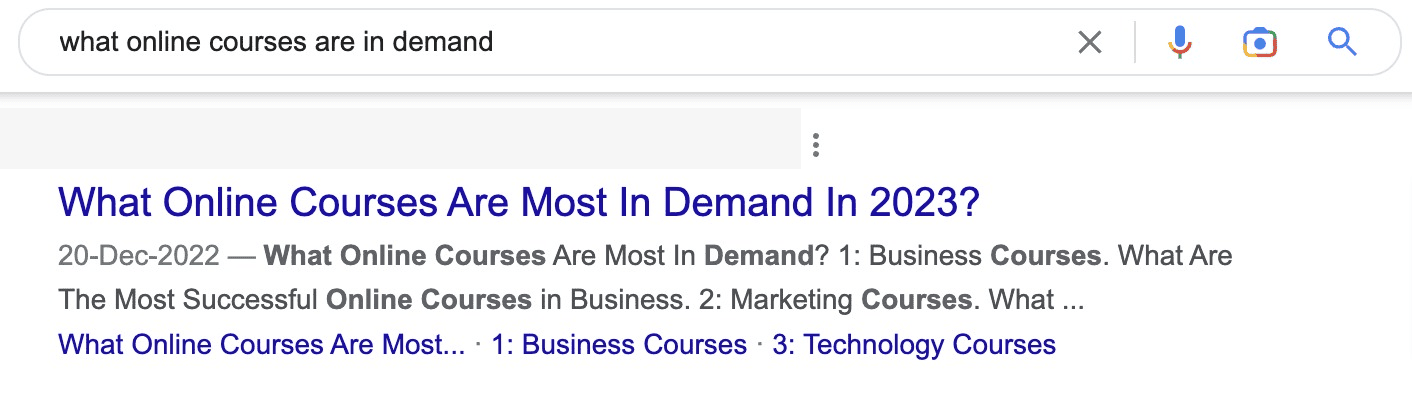
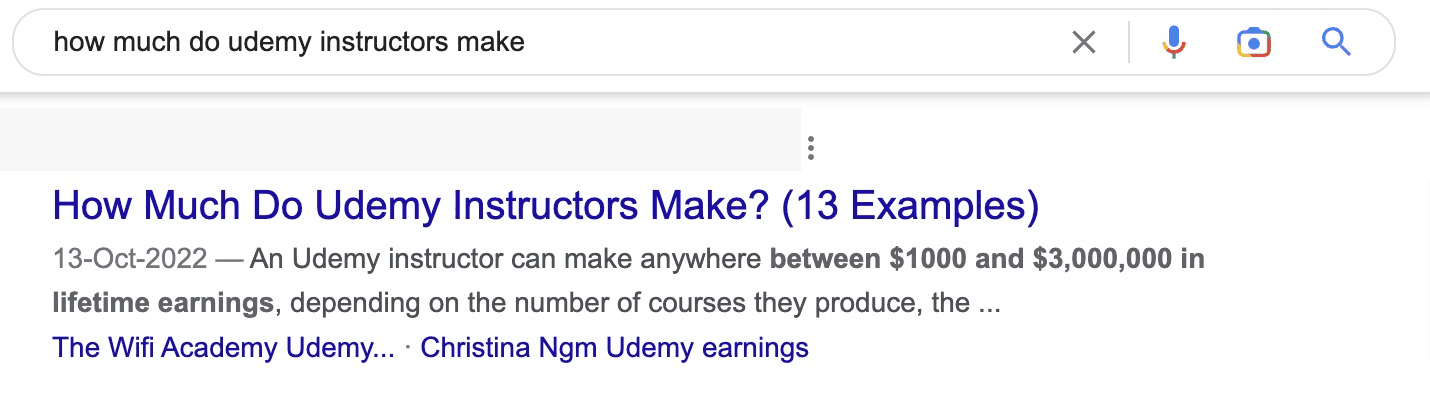
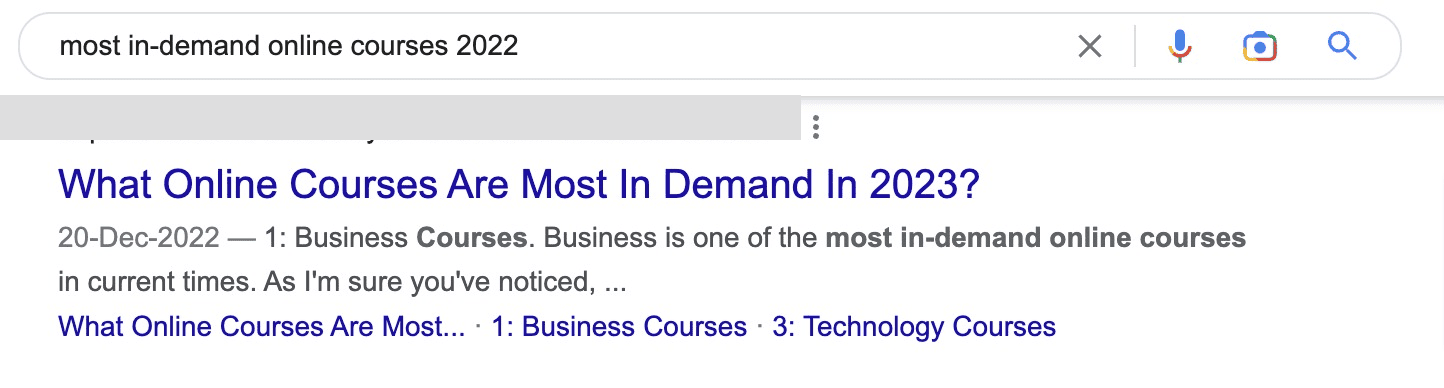
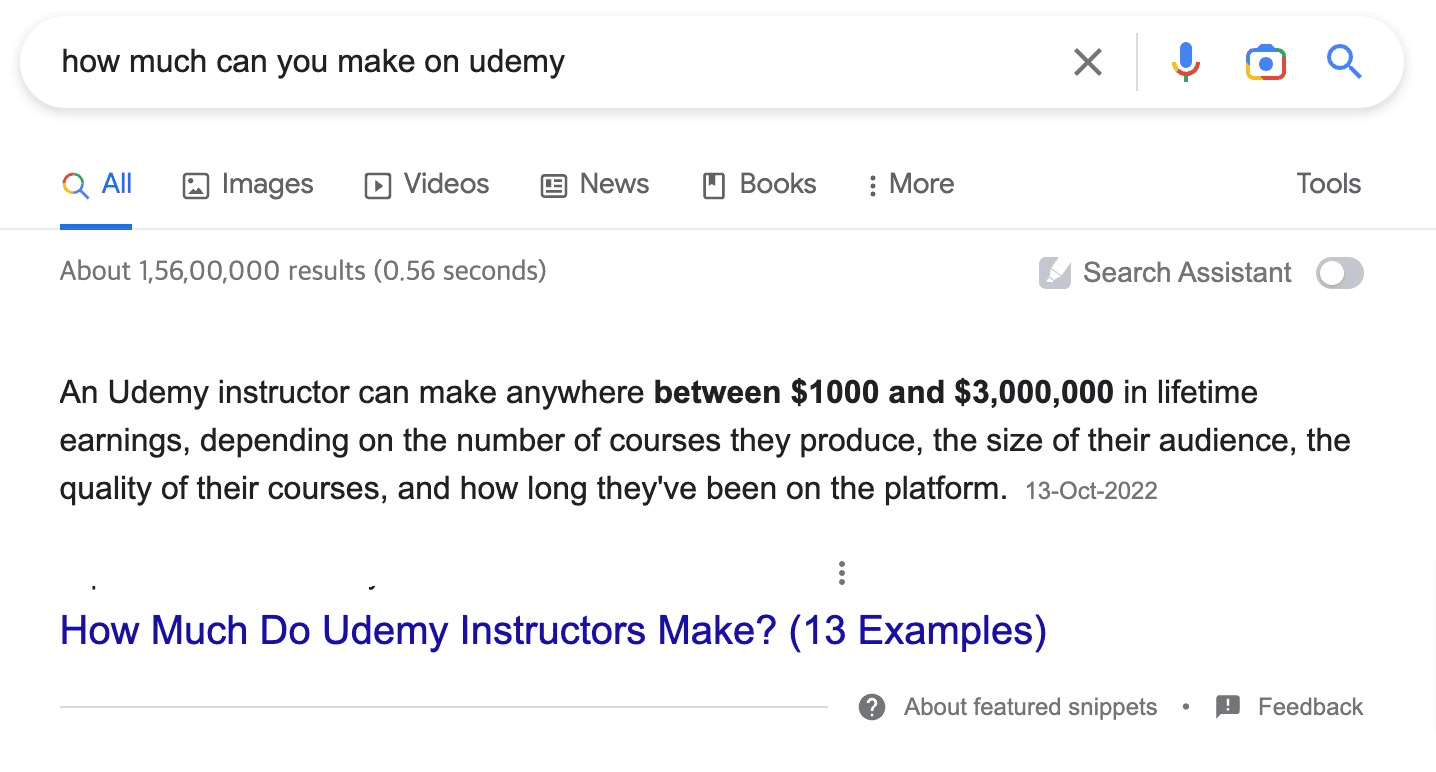
The content started ranking. Articles appeared on the first page for terms our audience was actively searching, like "what online courses are most in demand," "how much do Udemy instructors make," and "how to create an online course for free."
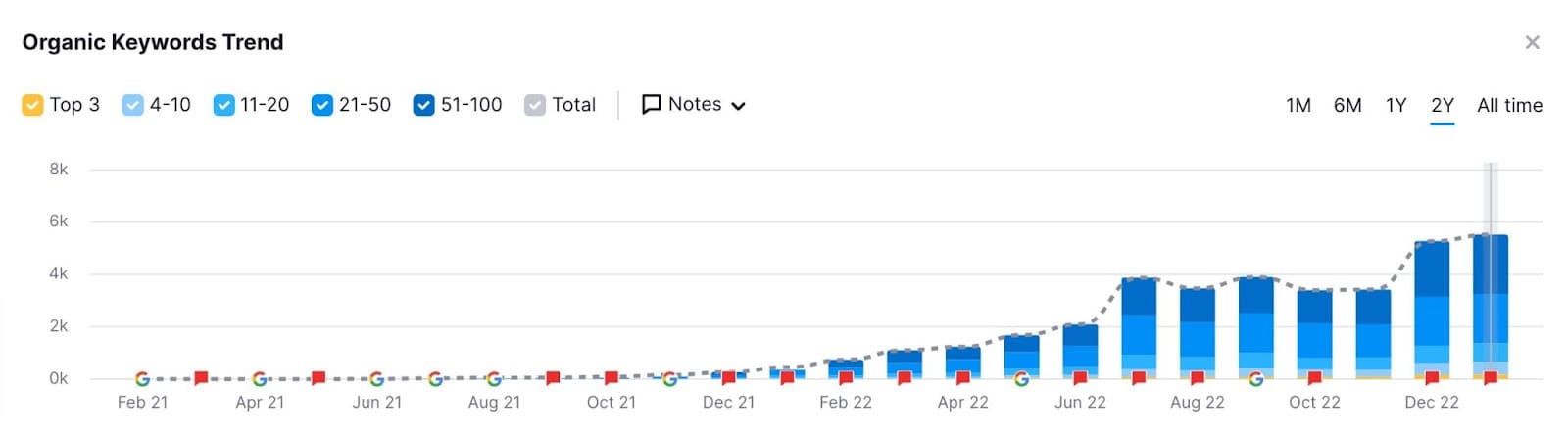
This helped us grow organic clicks gradually:

Phase 3: Optimize and Scale
Once the content engine was running, I shifted focus to optimization.
1. Whole-Site Keyword Audit
I analyzed every published URL, looking at its organic position, the keywords it ranked for, and where there were missed opportunities. Then I mapped the right keyword targets to each post and optimized them systematically. This wasn't a one-time fix. It was an ongoing process of identifying gaps and iterating.
The results were immediate. Existing posts that had been buried started climbing in rankings, and we saw a 100% increase in impressions and a 64% increase in ranking keywords.
2. Content Refresh Strategy
Several older articles had strong potential but underperformed because of outdated information, weak formatting, or misaligned keyword targeting. I updated these with better content, improved graphics, and current data. Some saw significant position jumps within weeks.
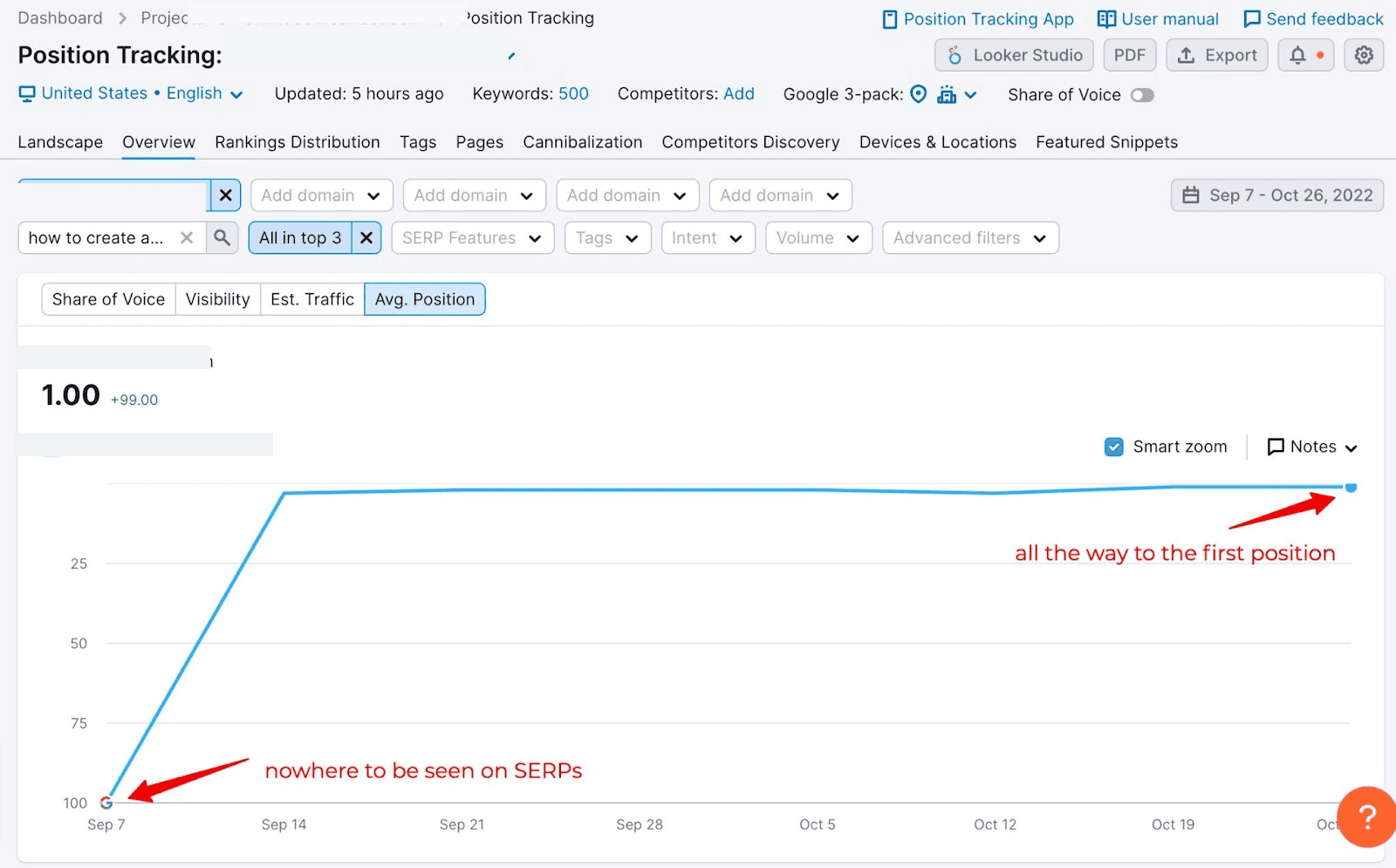
3. Answer Targets for Featured Snippets
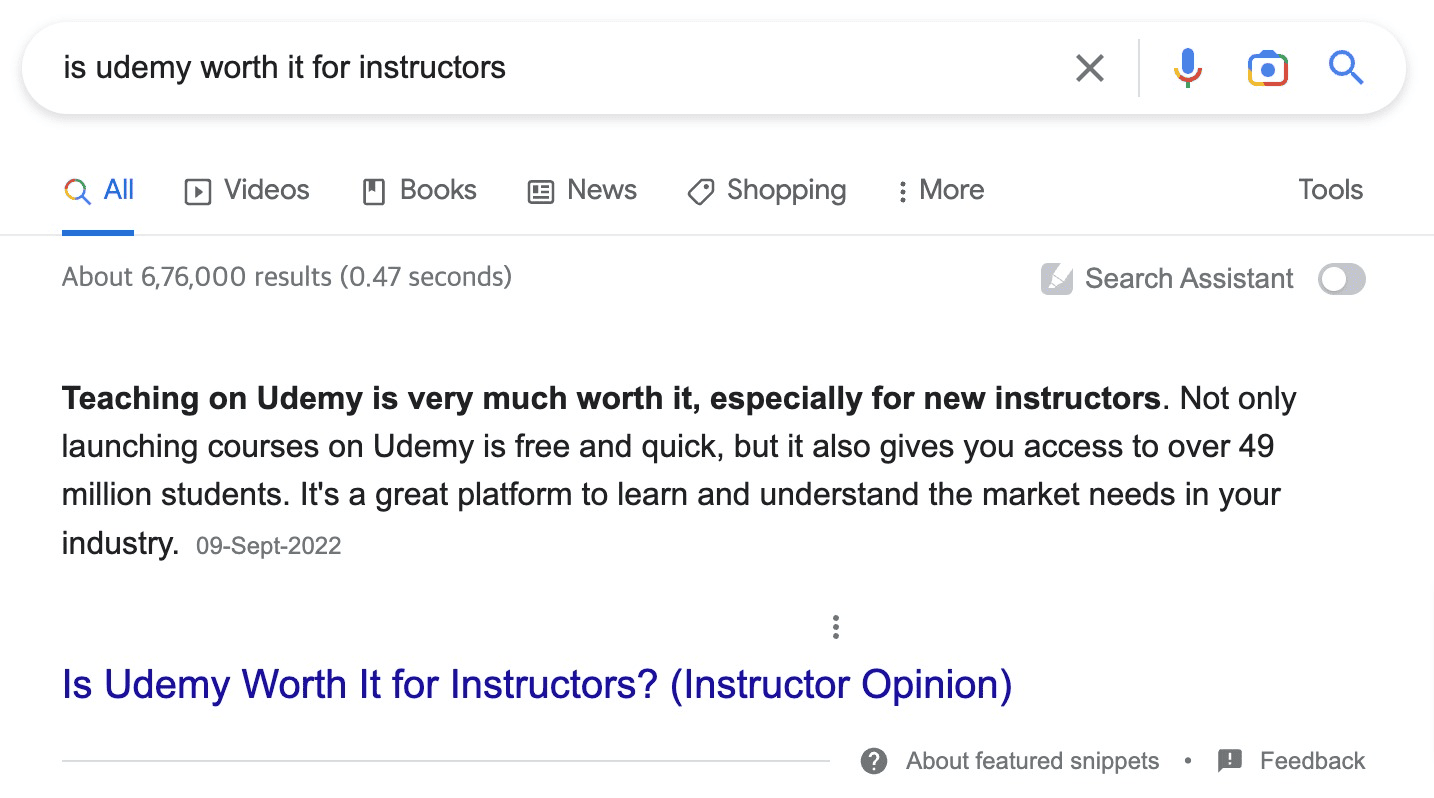
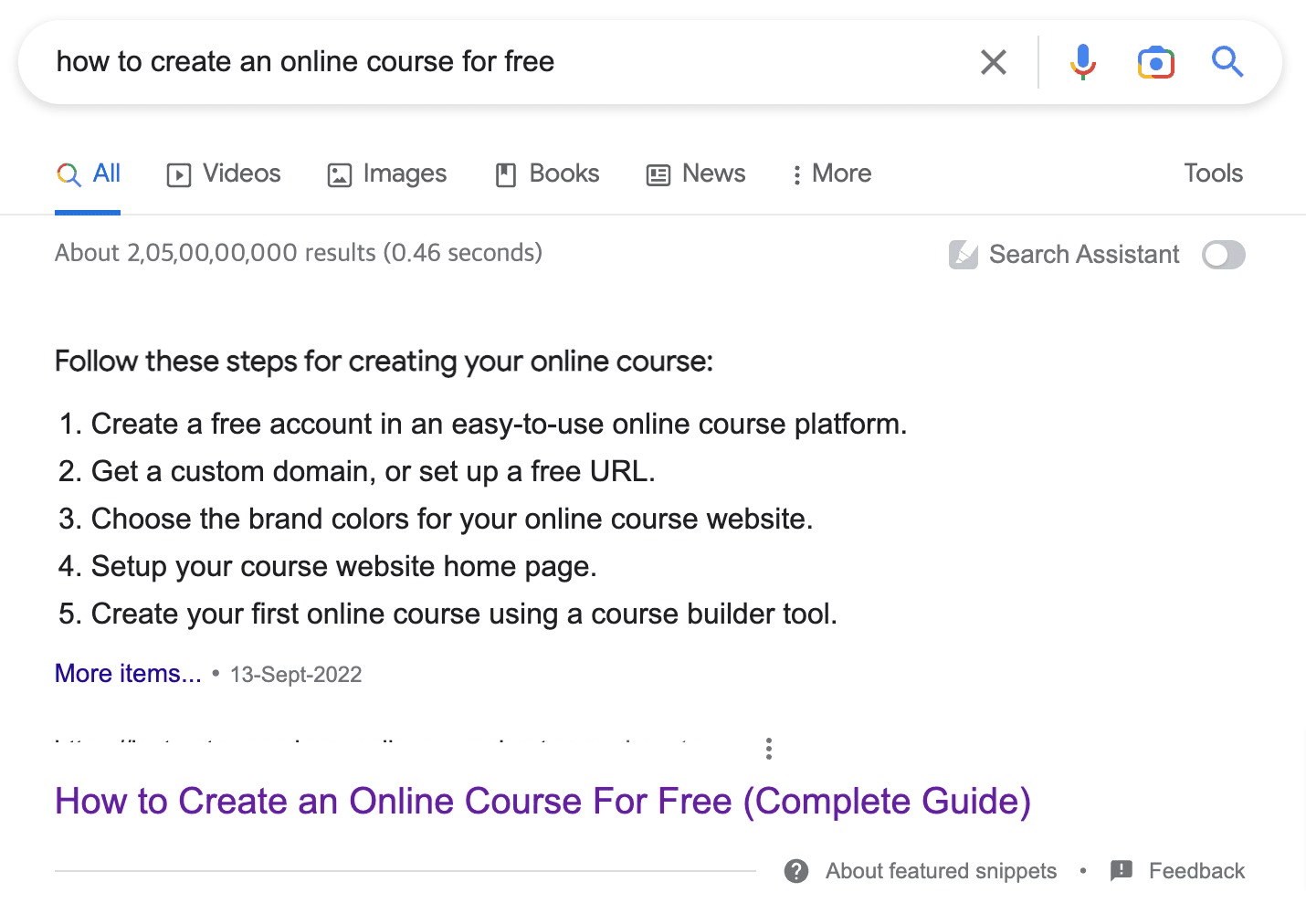
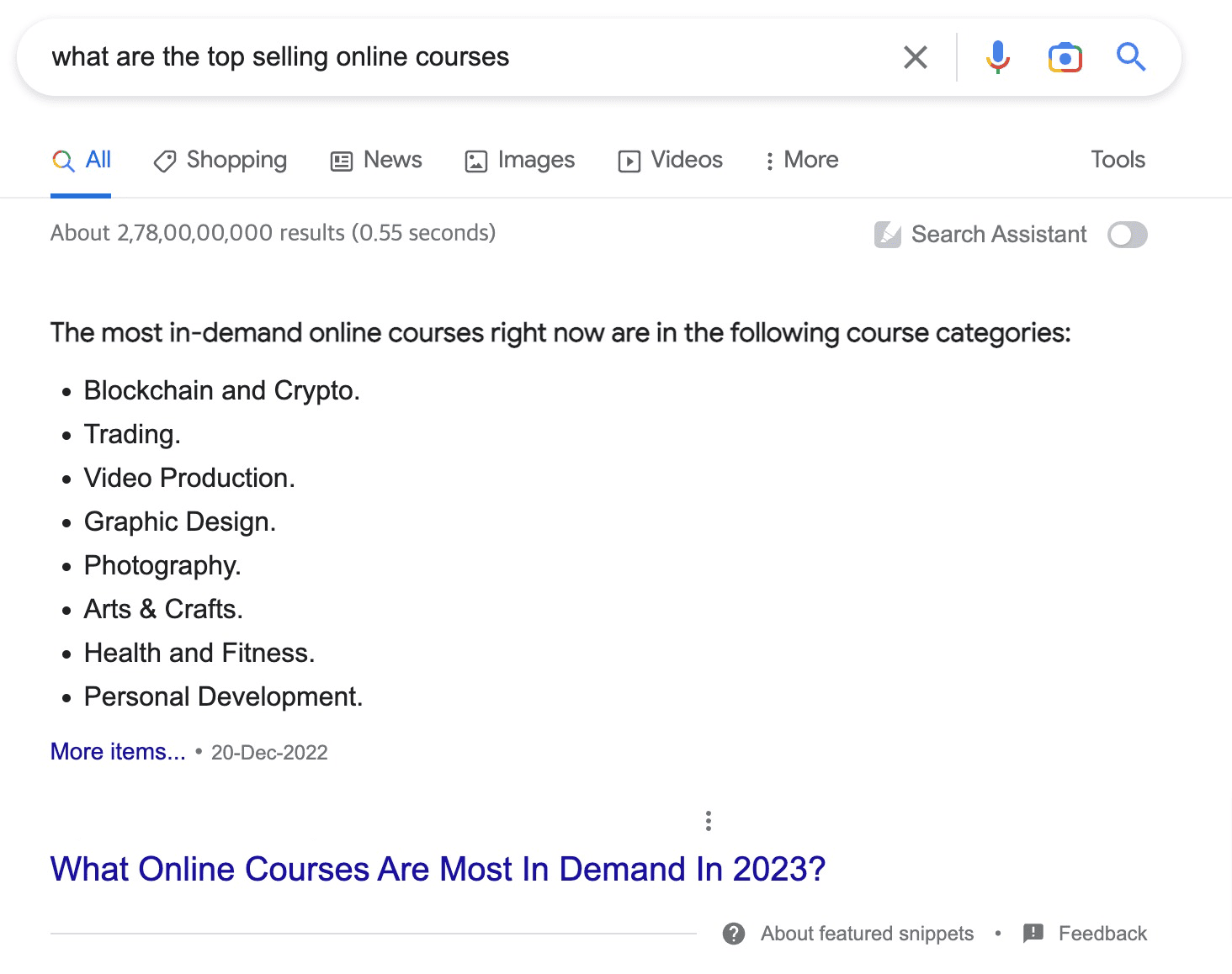
One of the fastest growth levers was structuring content to win featured snippets, the "position zero" results that appear above traditional rankings. For each post, I crafted concise, well-structured responses to specific questions that Google could pull directly into snippet boxes.
This paid off quickly. We started appearing in featured snippets for queries like "is Udemy worth it for instructors," "what are the top selling online courses," and "how to create an online course for free."
Team and Operations
Beyond strategy and writing, a significant part of my role was building and managing the content operation itself.
I led a team of four. Three writers and one social media coordinator, with one of the writers also managing email. My responsibilities ranged from strategizing content direction with the CEO to assigning topics based on our community-driven pipeline, reviewing every draft for quality and SEO alignment, preparing posts for publication, and scheduling across all channels.
I also built the team's operational foundation. The playbooks, writer guidelines, and onboarding documents that made content production repeatable. When a new writer joined, they had clear documentation on our standards, our process, and our expectations. That structure allowed the team to produce consistently without depending on me to review every detail.
Email and social weren't treated as separate efforts either. When a new article published, it was supported by email distribution and social promotion as part of a cohesive campaign. Everything fed into the same goal.
Results
Over 10 months, the content strategy transformed the platform's organic presence:
- 14x increase in daily organic clicks (51 to 708 clicks/day)
- 100% increase in impressions
- 64% increase in keywords ranking organically
- Multiple featured snippet placements for competitive queries
- Outranking established competitors including Teachable, Thinkific, and Podia for targeted terms
- Sustained traffic growth that drove increased signups and revenue
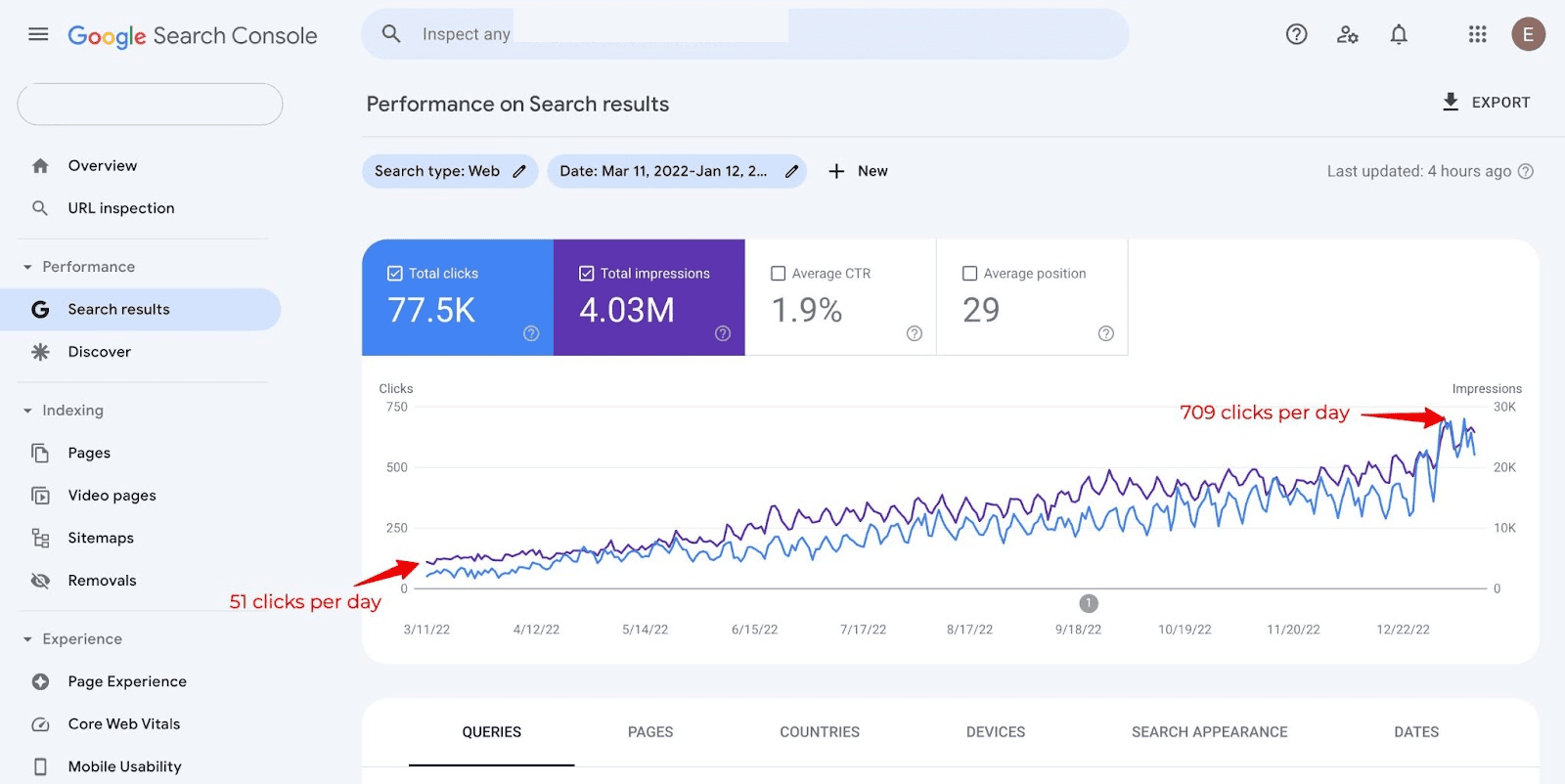
But the numbers only tell part of the story. The more significant outcome was what this traffic represented. Qualified visitors who were actively looking for solutions to their course creation challenges. Because our content was sourced from real community questions, the people finding our articles through search were exactly the audience the platform was built for. Traffic became signups. Signups became paying users. The content engine wasn’t just driving visibility. It was driving the business.
The platform was so satisfied with the results that I continued working with them beyond the initial engagement, helping maintain and extend the content strategy.
What This Work Demonstrates
This is where I figured out how I actually work.
Before this, I was a content writer following briefs. By the end of it, I was making the strategic calls. What to create and who it's for. Why it matters and how to make sure the right people find it. That shift didn't happen overnight, but it happened here.
The biggest thing I carried forward was the community-first approach. Using real questions from real users to decide what to write, instead of pulling topics from a keyword tool. That instinct stayed with me, and it's the same reason I later started testing features in beta and researching how users actually think before writing product content at Elegant Themes. The context changed, but the core approach didn't. Understand the user first, then create the content.
I also learned that leading a team isn't about reviewing every draft yourself. It's about building the systems that make good work repeatable without you. The playbooks, the guidelines, the processes. That operational thinking still shapes how I approach every project.
This case study is part of a larger portfolio. For my product-focused content marketing work, see my Elegant Themes (Divi 5) case study.